
How trusts and planning work together to create structure and clarity
Understanding Trusts and Estate Planning

Estate planning is often thought of as a set of documents, but in reality it is a framework for how decisions are carried forward when you are no longer the one making them. It brings together your property, your intentions, and the people involved, and gives them a structure that can actually function over time.
A trust becomes important within that framework because it changes how ownership and control are handled. Instead of everything being passed directly from one person to another, a trust allows assets to be held, managed, and transferred according to a defined set of instructions. That difference may seem subtle at first, but it is what allows an estate plan to move from a simple transfer of property to something more deliberate and controlled.
When trusts are used as part of estate planning, they introduce a level of continuity. Decisions do not stop or restart based on circumstances — they follow a path that has already been established. This can affect how property is managed, how responsibilities are carried out, and how beneficiaries ultimately receive what has been set aside for them.
How Trusts Function Within an Estate Plan
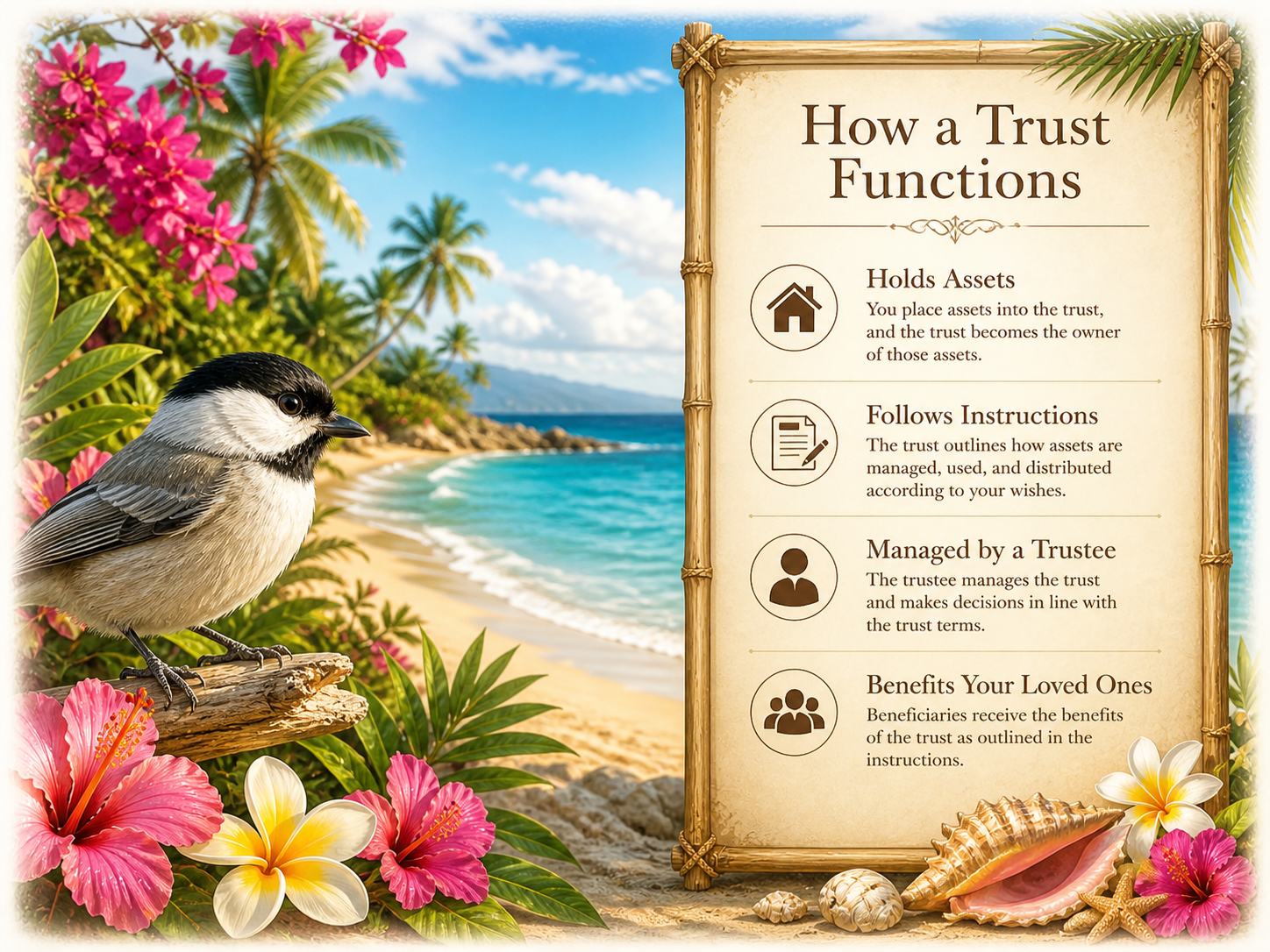
How a trust organizes and carries out your plan
A clear breakdown of how a trust operates within your estate plan
A trust is not just a document — it is a working structure that guides how assets are handled from the moment they are placed into it through the point they are passed on. It defines who is responsible, how decisions are made, and how everything moves forward. Understanding how a trust functions helps bring clarity to the entire estate plan, because each part plays a specific role in carrying out your intentions in an organized and controlled way.
A Trust Becomes Part of the Estate Plan
A trust does not exist on its own — it becomes part of an estate plan when it is intentionally integrated with the rest of your planning decisions. This begins with the creation of the trust document itself, which outlines how assets are to be managed and transferred. But the document alone is not enough. For a trust to truly function within an estate plan, it must be connected to the assets it is meant to control.
This connection happens through the process of funding the trust. Assets such as property, financial accounts, or other items are transferred into the name of the trust. Once this step is completed, those assets are no longer handled in isolation — they are now governed by the terms of the trust and become part of a larger, organized structure within the estate plan.
At the same time, the trust is coordinated with other estate planning documents. A will may be used to support the trust, especially through a pour-over provision that directs any remaining assets into it. Powers of attorney and other supporting documents also work alongside the trust, ensuring that decisions can be made and carried out if needed. This coordination is what allows the trust to function as part of a complete system rather than as a standalone tool.
When all of these pieces are properly aligned, the trust becomes a central working component of the estate plan. It provides a place where assets are managed under clear instructions, and it ensures that the plan can continue to function as intended. Without this integration, a trust is only a document. With it, the trust becomes an active part of how the estate plan operates and carries your decisions forward.
A Trust Helps Control What Happens to Property
When a trust is used within an estate plan, it creates a clear method for determining how property is handled both during your lifetime and after. Instead of leaving decisions to be made later or allowing assets to pass without direction, the trust establishes specific instructions that guide what happens at each stage. This shifts control from uncertainty to a defined plan.
Control begins with how assets are titled and placed into the trust. Once property is transferred into the trust, it is no longer managed in the same way as individually owned assets. The terms of the trust now govern how that property is used, maintained, or distributed. This allows decisions to follow a consistent framework rather than being influenced by changing circumstances or outside factors.
The trust can also define timing and conditions. Property does not have to be transferred all at once or without structure. Instead, the trust can outline when assets are distributed, under what conditions, and in what manner. This can provide a more measured and intentional approach, especially when long-term planning or specific goals are involved.
By establishing this level of control, a trust allows property to be handled with greater precision and purpose. It reduces ambiguity, limits the potential for conflict, and ensures that decisions are carried out in a way that reflects the original intent of the estate plan.
A Trust Works With Other Estate Documents
A trust does not replace the rest of an estate plan — it works alongside it. Each document within an estate plan serves a different function, and the trust is designed to coordinate with those documents rather than operate independently. This interaction is what allows the entire plan to function as a cohesive system.
For example, a will may still be used to address assets that were not transferred into the trust during your lifetime. A pour-over will can direct those remaining assets into the trust so they can be managed under the same set of instructions. This creates continuity, ensuring that nothing is left outside the structure you have established.
Other documents, such as powers of attorney, also play a role in supporting the trust. These documents allow designated individuals to act on your behalf in financial or legal matters if necessary, helping ensure that the trust can continue to be funded, managed, or adjusted when appropriate. Without this coordination, gaps can form in how decisions are carried out.
When all of these elements are aligned, the trust becomes part of a larger, integrated plan. Each document supports the others, and together they create a system that is more complete, more reliable, and better able to carry out your intentions over time.
A Trust Helps Carry Out Your Intentions
One of the most important functions of a trust within an estate plan is its ability to translate your intentions into actionable instructions. Rather than relying on general wishes or informal understandings, a trust provides a structured way to define exactly how decisions should be made and followed.
These instructions can go beyond simply naming who receives property. They can address how assets are managed, how responsibilities are handled, and how distributions take place over time. This allows you to shape not only the outcome, but also the process that leads to that outcome.
The trust also creates consistency. Once established, it provides a stable framework that continues to operate according to the terms you have set. This reduces the likelihood of misinterpretation or deviation, because the instructions are already clearly defined and legally recognized.
By providing this level of clarity and structure, a trust helps ensure that your intentions are not only understood, but actually carried out. It transforms ideas into a working system, allowing your estate plan to function with purpose and direction rather than uncertainty.
Building Lasting Security
Why Trusts Are Used in Estate Planning
Trusts are used within an estate plan to bring structure, direction, and purpose to how assets are managed and passed forward.

Estate Coordination
Trusts help connect property, documents, and decision-makers so the estate plan works as one complete system instead of separate unfinished parts.

Clear Authority
A trust identifies who has responsibility to manage trust property, helping prevent confusion over who is supposed to act and make decisions.

Planned Distribution
Trusts allow assets to be distributed according to specific timing, conditions, or instructions rather than being passed forward without structure.

Document Alignment
A trust works with wills, beneficiary designations, and other estate documents so each part supports the larger plan instead of conflicting with it.
Explore the Structure of a Trust
Core elements that define how trusts operate
A trust is made up of several essential parts, each with a defined role in how it operates within an estate plan. These elements work together to create structure, direction, and continuity. When understood as a whole, they help clarify how a trust carries out your intentions over time.
Grantor
The grantor is the person who creates the trust and defines its purpose, structure, and instructions, establishing how assets are managed, who is responsible, and how the plan is carried out.
Trustee
The trustee is responsible for managing the trust and carrying out its instructions, ensuring assets are handled properly and decisions are made according to the terms established within the trust.
Beneficiary
Beneficiaries are the individuals or entities who receive the benefits of the trust, based on the terms set by the grantor and the structure defined within the trust.
Trust Assets
Trust assets are the property, accounts, or items placed into the trust, forming the foundation of what is managed, controlled, and eventually distributed according to the plan.
Instructions
The instructions define how the trust operates, including how assets are managed, when distributions are made, and what conditions or guidelines must be followed throughout the life of the trust.
Timeline
The timeline outlines when actions take place within the trust, allowing assets to be managed or distributed over time instead of all at once, providing structure and long-term direction.
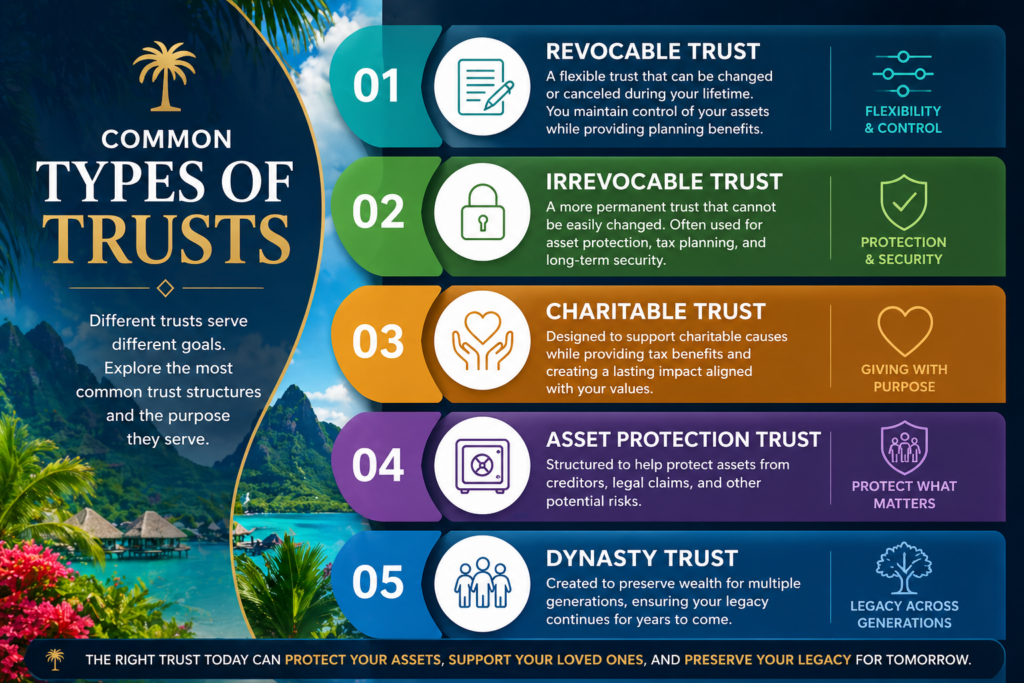
Where planning becomes more specific
Practical Ways Trusts Support an Estate Plan
Once a trust is understood as part of an estate plan, the next step is seeing how it works in practical terms. A trust is not just included for appearance or formality. It has a job to do inside the plan, and that job depends on how it connects property, responsibility, timing, and instructions.
This section looks at the practical support a trust can provide. It explains how a trust helps give the estate plan structure, how it reduces uncertainty, and how it turns broad planning ideas into steps that can actually be followed.
Coordinating Property With the Plan
A trust helps connect specific property to the larger estate plan. This matters because an estate plan cannot function clearly if assets are scattered across different places with no defined structure. When property is placed into a trust, it becomes part of a system that explains how it should be handled.
This coordination begins with identifying what assets belong in the trust. Real estate, financial accounts, personal property, or other assets may be transferred into the trust depending on the purpose of the plan. Once that happens, those assets are no longer standing apart from the estate plan.
Instead, they are governed by the trust’s instructions. This allows the property to be managed under one set of terms rather than relying on separate decisions for each asset. It creates a more organized way to understand what belongs where and how it should be handled.
The result is a clearer estate plan. Property is not simply listed or mentioned — it is connected to a structure that gives it direction, purpose, and a place within the overall plan.
Creating Clear Responsibility
An estate plan needs more than written wishes. It also needs someone with authority to carry those wishes out. A trust helps create that responsibility by naming a trustee and giving that person or institution a defined role.
The trustee is responsible for managing the trust according to its terms. This may include handling property, making decisions, keeping records, communicating with beneficiaries, and following the instructions written into the trust. The role exists so the plan has someone responsible for putting it into action.
This is important because confusion can arise when no one knows who is supposed to act. A trust reduces that uncertainty by clearly identifying who has authority over trust assets. It gives responsibility a legal and practical structure.
When responsibility is clearly assigned, the estate plan becomes easier to carry out. The trust does not rely on assumption or informal agreement — it creates a defined role for management and follow-through.
Managing Timing and Distribution
A trust can control not only who receives property, but also when and how that property is distributed. This is one of the reasons trusts are often used within estate planning. They allow the plan to be more specific than a simple transfer.
Timing may matter for many reasons. A beneficiary may receive assets at a certain age, after a certain event, or over a period of time. The trust can define those details so distributions happen according to the structure created in the plan.
Distribution can also be managed in stages. Instead of everything being transferred at once, the trust may allow assets to be released gradually or used for specific purposes. This gives the plan more flexibility and control.
By managing timing and distribution, the trust helps the estate plan function with greater precision. It allows property to move forward in a way that reflects the purpose behind the plan, not just the fact that something is being transferred.
Reducing Confusion Between Documents
Estate plans often include more than one document. A person may have a trust, a will, beneficiary designations, powers of attorney, deeds, or other planning tools. Without coordination, these documents can become confusing or even work against each other.
A trust can help reduce that confusion by giving certain assets a central structure. Property placed into the trust is controlled by the terms of the trust, which makes it easier to understand how those assets should be handled. This helps separate trust property from property handled by other documents.
This does not mean the trust replaces every other document. Instead, it works with them. A pour-over will, for example, may support the trust by directing remaining assets into it. Other documents may handle decisions the trust does not cover.
When the documents are aligned, the plan becomes much easier to follow. Each part has a role, and the trust helps anchor the assets placed inside it so the estate plan does not feel scattered or uncertain.
Supporting Decisions Over Time
Some estate planning decisions are not meant to happen all at once. A trust can support decisions that need to continue over time, which makes it useful when assets require ongoing management or when beneficiaries need structured support.
This ongoing role may involve maintaining property, managing investments, paying expenses, or distributing assets according to a schedule. The trust gives these decisions a framework so they can continue beyond the moment the trust is created.
This is especially important when the estate plan is designed to last through different stages. Circumstances may change, but the trust provides instructions that continue to guide how assets are handled. It gives the plan a longer life.
By supporting decisions over time, a trust helps the estate plan remain active and functional. It turns the plan into something that can continue working instead of ending with a single transfer.
Turning Intentions Into Instructions
Many people begin estate planning with intentions. They know what they want to protect, who they want to provide for, and how they want things handled. A trust helps turn those intentions into written instructions that can be followed.
This matters because general wishes are not always enough. Without specific instructions, people may disagree, misunderstand, or be unsure about what should happen. A trust gives those intentions a clear form.
The trust can explain who manages assets, how decisions are made, when distributions occur, and what conditions apply. These details transform broad ideas into practical directions that guide the plan.
In this way, a trust gives the estate plan strength and clarity. It takes what matters to you and places it into a structure designed to carry those decisions forward with purpose.
Moving Forward With Your Plan
Turning understanding into confident next steps
Understanding how trusts and estate planning work together gives you a clearer view of how decisions are made, how assets are handled, and how everything moves forward over time. Each part you’ve explored builds toward a more complete and structured plan.
The next step is not just knowing these pieces, but beginning to see how they apply to your own situation. With the right structure in place, an estate plan becomes more than information — it becomes something that can be carried out with clarity, purpose, and confidence.
Revocable Trust
Flexible planning, lifetime control, and estate clarity
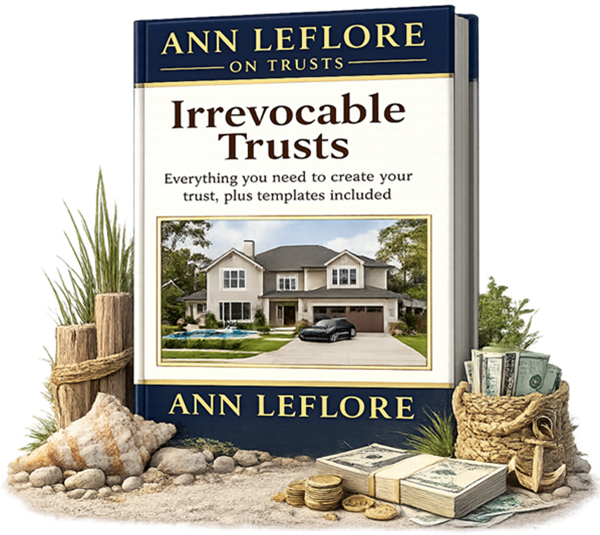
Irrevocable Trust
Long-term protection, structured preservation, and legacy security
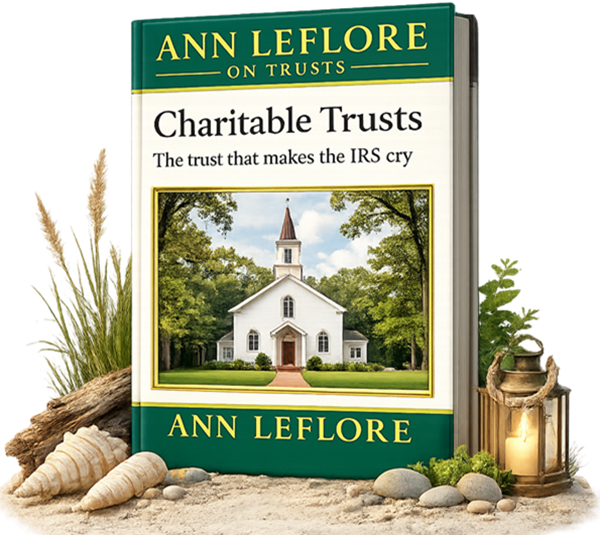
Charitable Trust
Purpose-driven giving, strategic generosity, and lasting charitable impact
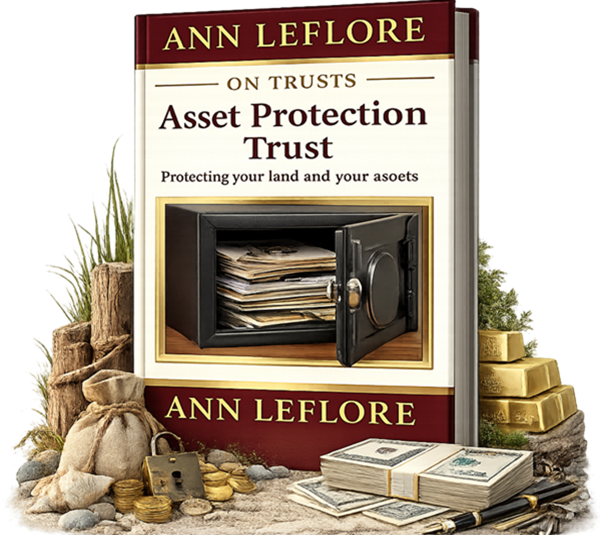
Asset Protection Trust
Strategic wealth protection, legal structure, and long-term asset preservation